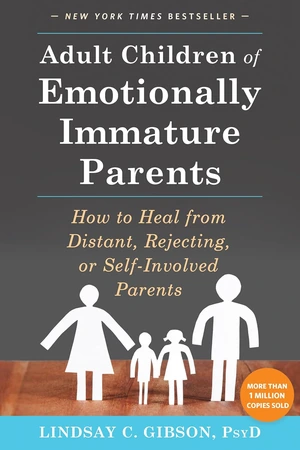
Gibson names emotionally unavailable, self-absorbed, passive, driven, and reactive parenting patterns and their effects on adult children. Recognition of emotional loneliness, overfunctioning, and unrealistic hope creates room for stronger boundaries, self-trust, and relationships built on reciprocity.
Energy & Vitality
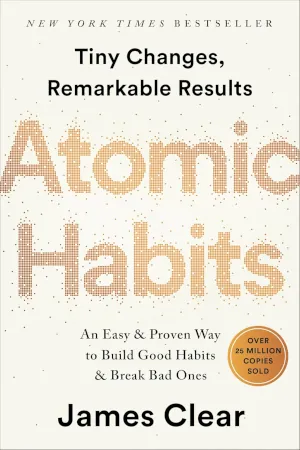
A behavior-change guide built around small improvements, environmental design, identity, cues, rewards, and repeatable systems. Clear explains how habits become easier or harder according to their context, emphasizing consistency and recovery from lapses rather than relying on motivation or dramatic goals.
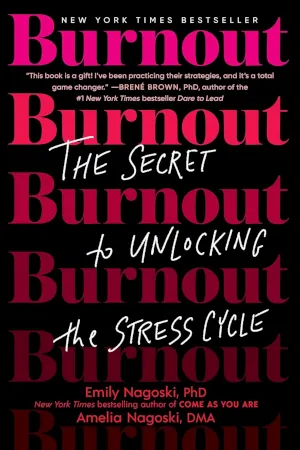
Burnout explains why removing a stressor does not automatically complete the body’s stress response. The Nagoski sisters connect physiology, gender expectations, movement, rest, affection, and meaning, replacing individual failure with a wider account of how exhaustion develops and recovery begins.
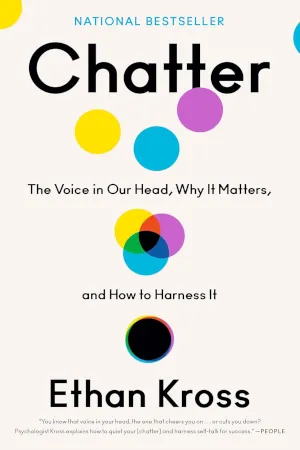
Kross examines the inner voice and the moment reflection becomes rumination. Behavioral and brain research lead to tools such as distanced self-talk, perspective, ritual, nature, and carefully chosen support, all aimed at making mental narration more useful and less consuming.
A historical novel narrated by an older woman recalling New York’s 1940s theater world. Gilbert explores female sexuality, friendship, costume, scandal, war, shame, unconventional love, and reinvention while refusing to divide women neatly into innocence, respectability, or ruin.
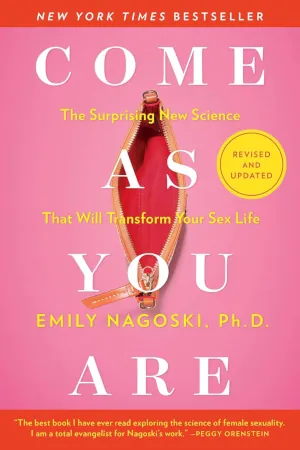
A compassionate, science-based guide to desire, arousal, and pleasure that explains why context matters. Nagoski replaces shame with curiosity, helping readers understand stress, body image, and relationship safety so changing intimacy can be explored rather than treated as evidence of failure.
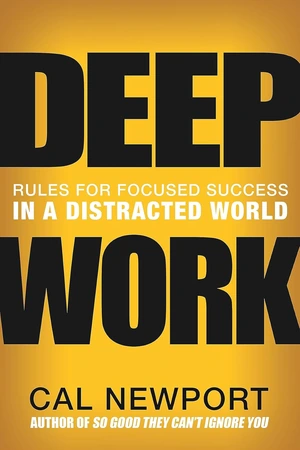
A case for sustained, distraction-free concentration on cognitively demanding work. Newport explains why constant switching and shallow communication erode valuable attention, then offers scheduling, rituals, digital boundaries, and deliberate practice for making focused work more regular and realistic.
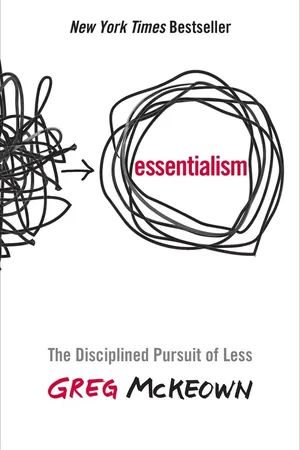
McKeown builds a disciplined case for doing less but better: identify the vital few, accept trade-offs, and remove nonessential demands. Practical tools protect attention, create space, strengthen boundaries, and make deliberate contribution more important than constant activity.
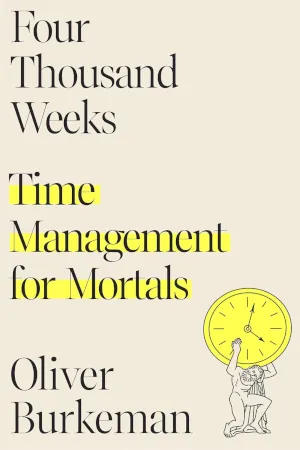
A philosophical antidote to productivity culture built around the fact that a human life is radically finite. Burkeman argues that accepting limits, uncertainty, and unfinished work creates better priorities than trying to optimize every hour or postpone living until the schedule is finally controlled.
Garmus follows a gifted chemist pushed from research into television cooking in 1960s America. Science, grief, motherhood, sexism, and reinvention drive a witty feminist story about refusing institutional limits on intelligence, authority, and the shape of a future.
A manifesto that reframes rest as liberation rather than reward. Hersey connects exhaustion with capitalism, racism, inherited trauma, and productivity culture, inviting readers to reclaim naps, stillness, imagination, and bodily autonomy without turning recovery into another task to perform efficiently.
A six-week cognitive behavioral program for chronic insomnia using sleep scheduling, stimulus control, relaxation, cognitive restructuring, and accurate sleep education. Jacobs addresses the thoughts and habits that maintain wakefulness while emphasizing a drug-free, evidence-based route to more reliable sleep.
Tawwab turns boundaries into concrete behavior across work, family, friendship, technology, and self-care. Scripts and examples address guilt, resentment, overcommitment, and other people’s reactions, emphasizing that a limit only becomes real when communication is followed by consistent action.
Kim treats singlehood as a meaningful life phase rather than a waiting room for partnership. Therapy, memoir, identity work, boundaries, health, purpose, and community support a life that can welcome romance without depending on it for rescue.
A longstanding family guide to Alzheimer’s disease and other dementias, covering behavior, communication, safety, daily care, medical decisions, residential options, and caregiver wellbeing. Mace and Rabins combine practical planning with recognition of the emotional and physical strain on families.
Van der Kolk traces how traumatic stress can shape memory, emotion, relationships, and bodily experience. Clinical stories, neuroscience, and body-oriented approaches support his argument that recovery often depends on safety, connection, movement, and renewed ownership of the physical self.
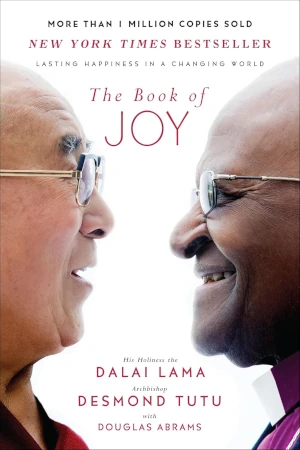
A week-long conversation between the Dalai Lama and Desmond Tutu about finding joy amid suffering. Their stories, humor, spiritual traditions, and friendship explore perspective, humility, gratitude, forgiveness, compassion, and the daily practices that keep hardship from defining an entire life.
A practical introduction to circadian biology and the daily timing signals created by light, food, activity, and sleep. Panda explains how internal clocks influence metabolism, recovery, mood, and disease risk, offering routines designed to strengthen rhythm rather than chase isolated health hacks.
A performance framework arguing that energy, not time, is the fundamental resource behind sustained effectiveness. Loehr and Schwartz connect physical, emotional, mental, and spiritual capacity with deliberate recovery, positive rituals, and the athlete’s pattern of stress followed by renewal.
A practical explanation of sleep drive, circadian rhythm, insomnia, apnea, sleep technology, medication, and common misconceptions. Winter replaces rigid rules with a clearer understanding of how sleep functions, helping readers reduce anxiety while recognizing when persistent difficulties deserve professional assessment.
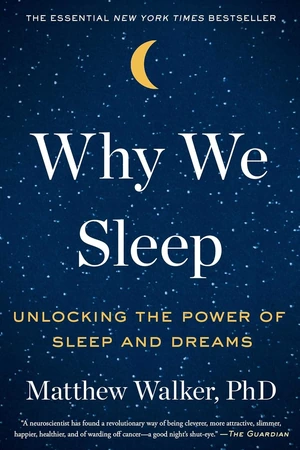
A sweeping popular-science account of sleep stages, circadian rhythms, memory, emotion, dreaming, health, and sleep deprivation. Walker makes sleep research accessible and urgent, although several statistical, factual, and causal claims have been criticized and should be read alongside broader clinical evidence.
A candid memoir of grief, self-destruction, and a largely unprepared solo hike along the Pacific Crest Trail. Strayed records physical hardship without romanticizing it, showing how sustained movement, solitude, and honest reflection helped her begin rebuilding a life after profound loss.